The characteristics, investment potential, and data-driven insights for investing in Singapore’s conservation shophouses.
Introduction
Singapore’s conservation shophouses are unique architectural gems that blend history and modernity. These properties, located primarily in the Central Business District (CBD) and other heritage areas, have become highly sought-after investments. Their distinctive charm, historical significance, and potential for capital appreciation make them attractive to investors. This article delves into the characteristics, investment potential, and data-driven insights for investing in these iconic structures.
The Allure of Conservation Shophouses
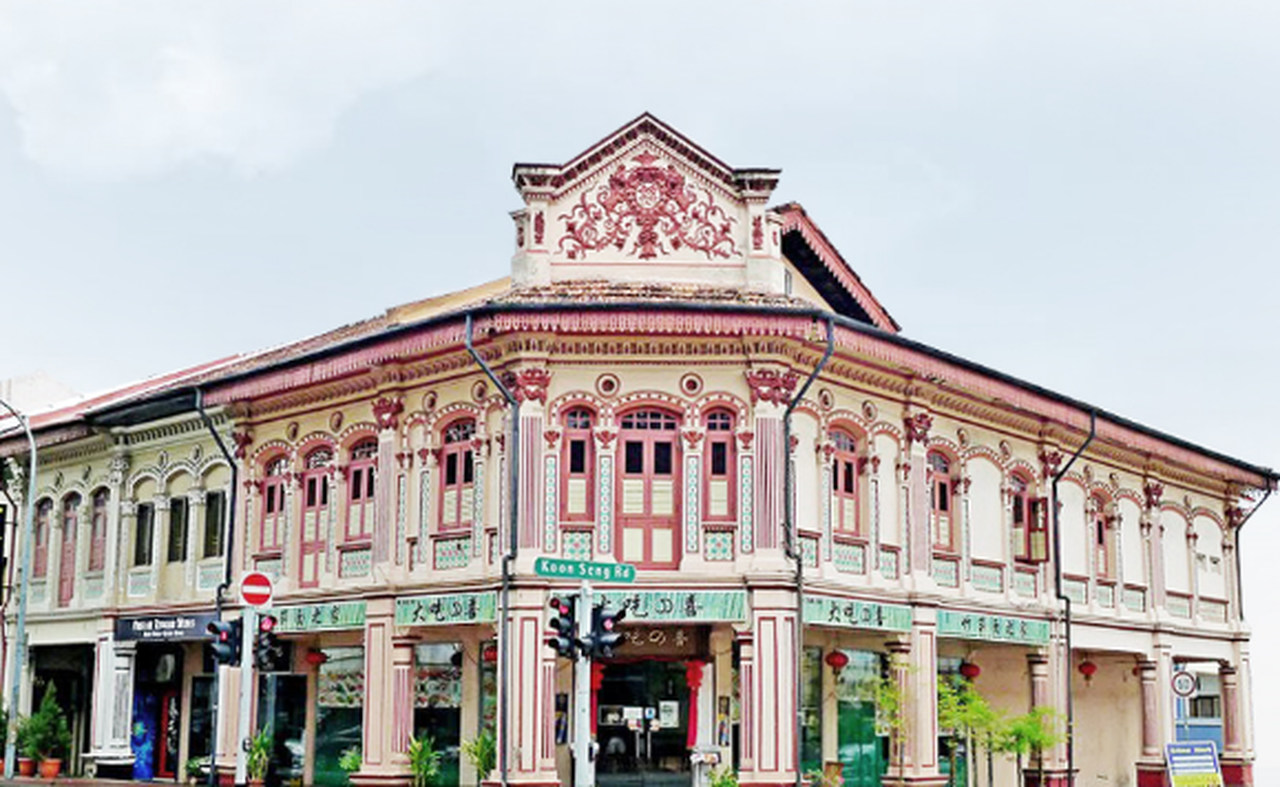
Conservation shophouses in Singapore are typically two to three stories high. They feature narrow frontages, deep interiors, and internal courtyards. Built between the 1840s and 1960s, these buildings exhibit a fusion of Chinese, Malay, and European architectural styles. The Singapore government has designated these shophouses as conservation areas to preserve their cultural and historical significance.
Architectural and Historical Significance
Conservation shophouses are classified into various architectural styles, including Early Shophouse, Transitional, Late Shophouse, Art Deco, and Modern. Each style reflects the socio-economic and cultural influences of its time. The Early Shophouse style, for instance, is characterized by simple, unadorned facades, while the Art Deco style features geometric designs and bold colors.
Unique Characteristics
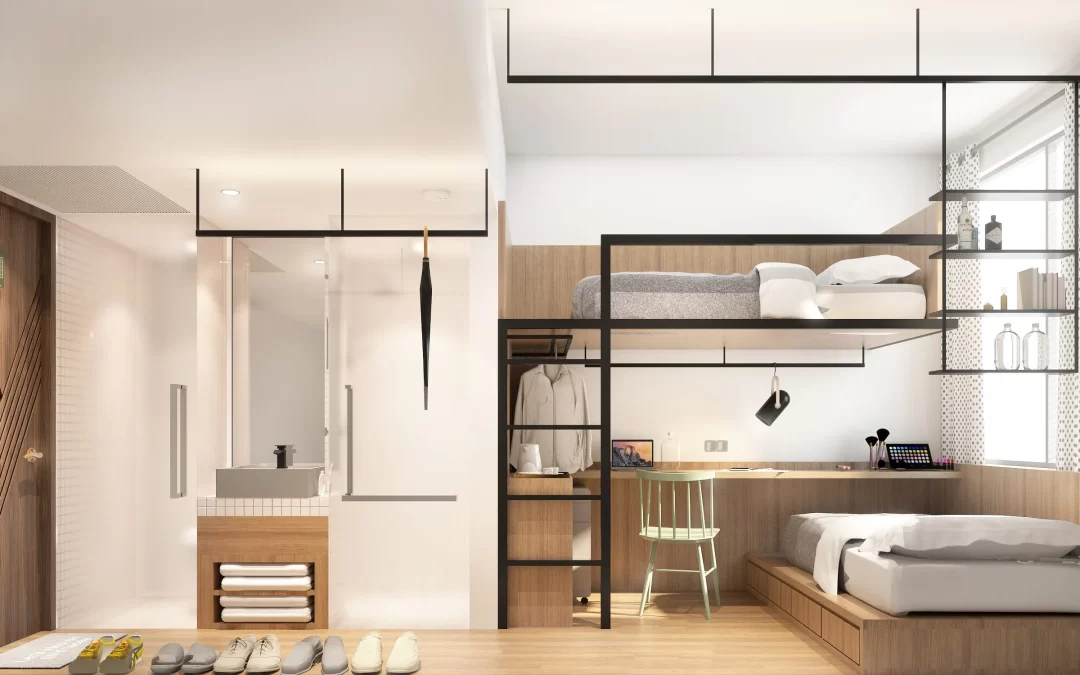
Conservation shophouses offer a unique blend of old-world charm and modern amenities. Their historical facades are often complemented by contemporary interiors, providing a distinctive living and working environment. These properties are also strategically located in prime areas, offering easy access to commercial hubs, cultural attractions, and transportation networks.
Investment Potential
The investment potential of conservation shophouses is driven by their scarcity, heritage value, and location. As these properties are limited in supply, they tend to appreciate in value over time. Additionally, the government’s conservation efforts ensure that these shophouses retain their charm and appeal, further enhancing their investment value.
Rental Yield and Capital Appreciation
Conservation shophouses typically offer attractive rental yields, particularly in prime locations such as Chinatown, Tanjong Pagar, and Emerald Hill. These areas are popular with expatriates, professionals, and businesses, ensuring a steady demand for rental properties. Data from real estate agencies indicate that rental yields for conservation shophouses can range from 3% to 5% annually.
Capital appreciation for conservation shophouses has also been strong. Historical data shows that these properties have outperformed other types of real estate in terms of price growth. For instance, a conservation shophouse in Chinatown purchased in the early 2000s has seen its value increase by over 50% in the past decade.
Factors Influencing Investment Decisions
Several factors influence the investment potential of conservation shophouses. These include location, condition, zoning regulations, and market trends. Investors should consider these factors when evaluating potential investments to maximize returns.
Location
Location is a critical factor in determining the value and rental yield of a conservation shophouse. Properties in prime areas such as the CBD, Chinatown, and Tanjong Pagar are highly sought after. These areas offer proximity to commercial centers, amenities, and transportation networks, making them attractive to tenants and buyers.
Condition
The condition of a conservation shophouse can significantly impact its value and rental potential. Well-maintained properties with modern amenities are more likely to attract high-quality tenants and command higher rental rates. Investors should consider the cost of renovation and maintenance when assessing potential investments.
Zoning Regulations
Zoning regulations play a crucial role in determining the use and value of conservation shophouses. Some properties are zoned for commercial use, while others are designated for residential or mixed-use purposes. Investors should be aware of the zoning regulations and restrictions that apply to their target properties to ensure compliance and maximize returns.
Market Trends
Market trends, such as economic conditions, interest rates, and demand for heritage properties, can influence the investment potential of conservation shophouses. Investors should stay informed about market trends and adjust their investment strategies accordingly.
Data-Driven Insights
Leveraging data and analytics such as Cribs can provide valuable insights into the investment potential of conservation shophouses. This section explores various data sources and analytical tools that investors can use to make informed decisions.
Historical Price Trends
Analyzing historical price trends can provide insights into the capital appreciation potential of conservation shophouses. Investors can use data from real estate agencies, government records, and property portals to track price movements over time. This sales transaction can help identify properties with strong growth potential and avoid overvalued assets.
Rental Market Analysis
Rental market analysis involves examining rental yields, occupancy rates, and tenant profiles for conservation shophouses. Investors can use data from property management companies, rental listings, and market surveys to assess the rental potential of their target properties. This rental analysis can help investors identify high-yield properties and optimize their rental income.
Comparative Market Analysis (CMA)
Comparative Market Analysis (CMA) involves comparing the target conservation shophouse with similar properties in the same area. This analysis can provide insights into the fair market value, rental rates, and demand for the property. Investors can use data from Cribs, property portals, real estate agents, and government records to conduct a CMA.
Demographic Analysis
Demographic analysis involves examining the population characteristics of the area where the conservation shophouse is located. This analysis can provide insights into the target market, rental demand, and tenant preferences. Investors can use data from government agencies, market research firms, and property portals to conduct a demographic analysis.
Predictive Analytics
Predictive analytics involves using historical data and statistical models to forecast future trends and performance. Investors can use predictive analytics to estimate the capital appreciation, rental yield, and occupancy rates for conservation shophouses. This analysis can help investors make data-driven decisions and optimize their investment strategies.
Case Studies
This section presents case studies of successful investments in conservation shophouses to illustrate the potential returns and strategies for maximizing returns.
Case Study 1: Chinatown Shophouse
A conservation shophouse in Chinatown was purchased in 2005 for SGD 2 million. The property was well-maintained and located in a prime area with high demand for rental properties. The owner invested SGD 500,000 in renovation and modern amenities. The property was leased to a commercial tenant at an annual rental yield of 4.5%. Over the next decade, the value of the property increased to SGD 3.5 million, representing a capital appreciation of 75%.
Case Study 2: Tanjong Pagar Shophouse
A conservation shophouse in Tanjong Pagar was purchased in 2010 for SGD 3 million. The property was in a prime location with high demand from expatriates and professionals. The owner invested SGD 600,000 in renovation and modern amenities. The property was leased to a commercial tenant at an annual rental yield of 5%. Over the next decade, the value of the property increased to SGD 5 million, representing a capital appreciation of 66%.
Case Study 3: Emerald Hill Shophouse
A conservation shophouse in Emerald Hill was purchased in 2012 for SGD 4 million. The property was located in a prime residential area with high demand from expatriates and professionals. The owner invested SGD 700,000 in renovation and modern amenities. The property was leased to a residential tenant at an annual rental yield of 3.5%. Over the next decade, the value of the property increased to SGD 6.5 million, representing a capital appreciation of 62.5%.
Investment Strategies
Investors can adopt various strategies to maximize returns from conservation shophouses. This section explores some of these strategies, including value-add investments, long-term holding, and portfolio diversification.
Value-Add Investments
Value-add investments involve purchasing underperforming conservation shophouses and improving their value through renovation, modernization, and repositioning. Investors can enhance the property’s appeal, attract high-quality tenants, and command higher rental rates. This strategy requires a thorough understanding of the market, renovation costs, and potential returns.
Long-Term Holding
Long-term holding involves purchasing conservation shophouses and holding them for an extended period to benefit from capital appreciation. This strategy is suitable for investors with a long-term investment horizon and a high tolerance for market fluctuations. Long-term holding can provide stable rental income and significant capital gains over time.
Portfolio Diversification
Portfolio diversification involves investing in a mix of conservation shophouses and other types of real estate to spread risk and optimize returns. Investors can diversify their portfolios by location, property type, and tenant profile. This strategy can help mitigate the impact of market fluctuations and enhance overall investment performance.
Challenges and Risks
Investing in conservation shophouses also involves challenges and risks that investors should be aware of. This section explores some of these challenges, including regulatory compliance, renovation costs, and market volatility.
Regulatory Compliance
Conservation shophouses are subject to strict conservation guidelines and zoning regulations to preserve their historical and architectural significance. Investors must comply with these regulations, which can limit the scope of renovation and redevelopment. Non-compliance can result in penalties, legal issues, and loss of investment value.
Renovation Costs
Renovating conservation shophouses can be expensive, particularly if the property requires extensive repairs and modernization. Investors should consider the cost of renovation and maintenance when evaluating potential investments. Accurate cost estimation and budget planning are essential to avoid cost overruns and ensure profitability.
Market Volatility
The real estate market is subject to fluctuations in economic conditions, interest rates, and demand for heritage properties. Market volatility can impact the value and rental potential of conservation shophouses. Investors should stay informed about market trends and adjust their investment strategies accordingly to mitigate risks.
Conclusion
Investing in Singapore’s conservation shophouses offers a unique opportunity to own a piece of the city’s rich heritage while benefiting from attractive rental yields and capital appreciation. These properties’ historical significance, architectural charm, and prime locations make them highly sought after by investors and tenants. By leveraging data and analytics, investors can make informed decisions, optimize returns, and navigate the challenges and risks associated with conservation shophouse investments. Whether through value-add investments, long-term holding, or portfolio diversification, investing in conservation shophouses can be a rewarding and profitable venture.