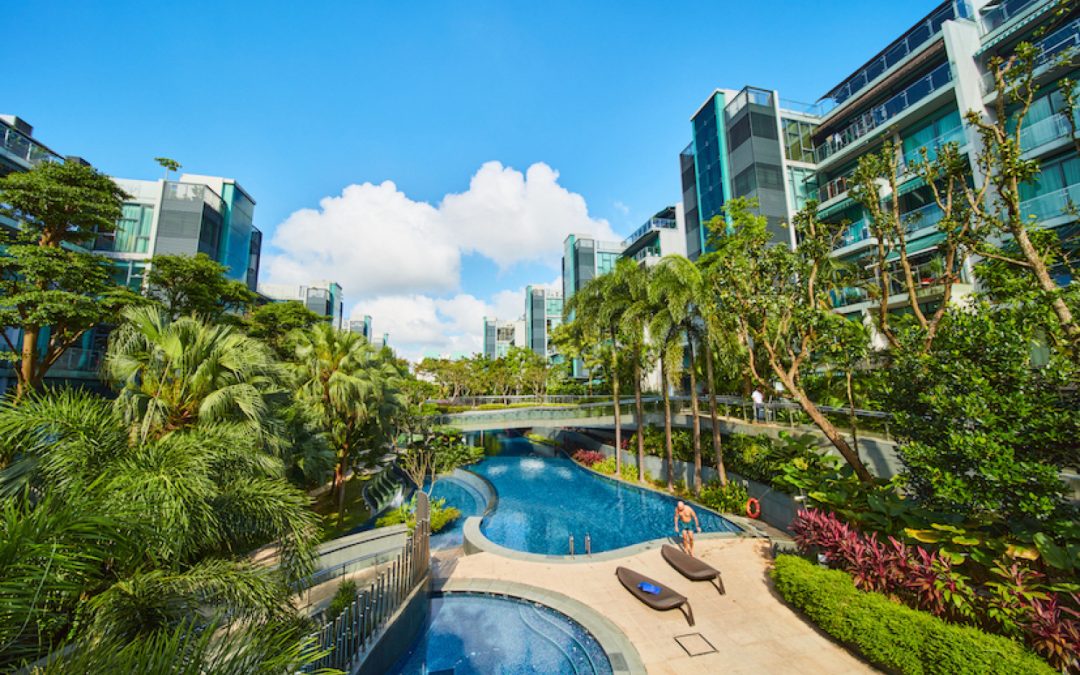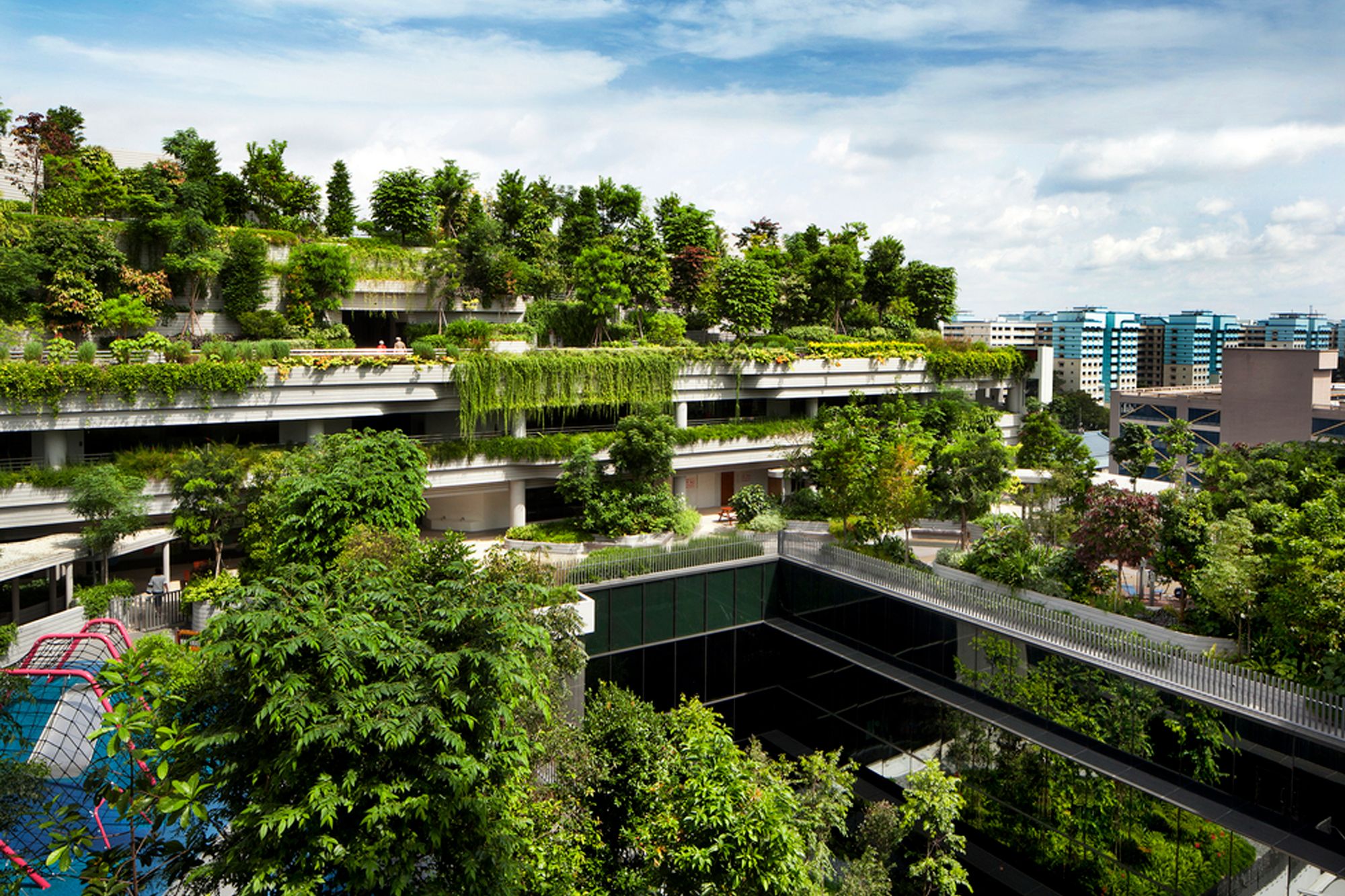
Sustainability features such as solar panels, energy-efficient appliances, and eco-friendly building materials influence property prices in Singapore.
Introduction
The concept of a “Green Premium” refers to the additional value that properties with sustainable features command in the market. In Singapore, a city-state renowned for its innovative urban planning and commitment to sustainability, the Green Premium is increasingly evident. This article delves into how green certifications and sustainable features such as solar panels, energy-efficient appliances, and eco-friendly building materials influence property prices in Singapore.
The Growing Importance of Sustainability in Real Estate
Sustainability has become a key consideration for many buyers and investors in Singapore’s real estate market. The government’s push towards a green economy and the increasing awareness of environmental issues among consumers have fueled this trend. Properties with green certifications and sustainable features are not just seen as environmentally responsible choices but also as financially sound investments.
Green Certifications and Their Impact on Property Value
Green certifications, such as the Building and Construction Authority (BCA) Green Mark in Singapore, play a significant role in enhancing property value. The Green Mark scheme assesses buildings based on their environmental impact and performance. Properties that achieve higher Green Mark ratings are often perceived as more desirable, leading to a premium in their market value.
- BCA Green Mark Certification
- The BCA Green Mark Certification is a benchmark for evaluating the environmental performance of buildings.
- It assesses various aspects, including energy efficiency, water efficiency, environmental protection, indoor environmental quality, and other green features.
- Properties with this certification often see an increase in value due to their lower operating costs and higher demand among environmentally conscious buyers.
- LEED Certification
- While not as common as the BCA Green Mark in Singapore, Leadership in Energy and Environmental Design (LEED) certification is recognized globally.
- Properties with LEED certification are known for their high standards of sustainability, which can enhance their appeal and value.
Solar Panels: A Bright Investment
Solar panels are one of the most visible and impactful sustainable features that can be added to a property. They provide a renewable source of energy, reducing electricity bills and the property’s carbon footprint. In Singapore, where sunlight is abundant, the installation of solar panels is becoming increasingly popular.
- Cost Savings and Return on Investment
- Solar panels can significantly reduce energy costs for homeowners.
- The initial investment in solar panel installation can be recouped through savings on electricity bills over time.
- Properties with solar panels are attractive to buyers looking for long-term cost savings, potentially driving up property prices.
- Government Incentives
- The Singapore government offers various incentives to encourage the adoption of solar energy, including grants and tax rebates.
- These incentives can lower the initial cost of installing solar panels, making them more accessible to property owners and developers.
- Environmental Impact
- Solar panels contribute to a reduction in greenhouse gas emissions.
- Properties with solar panels appeal to environmentally conscious buyers, increasing their market value.
Energy-Efficient Appliances: Small Changes, Big Impact
Energy-efficient appliances are another sustainable feature that can enhance property value. These appliances consume less energy, leading to lower utility bills and a reduced environmental impact.
- Types of Energy-Efficient Appliances
- Common energy-efficient appliances include refrigerators, air conditioners, washing machines, and dishwashers.
- These appliances are designed to perform the same functions as their conventional counterparts but with lower energy consumption.
- Cost Savings
- The use of energy-efficient appliances can lead to substantial savings on utility bills.
- Over time, these savings can offset the higher initial cost of energy-efficient appliances.
- Market Appeal
- Properties equipped with energy-efficient appliances are attractive to buyers looking for modern, cost-effective, and environmentally friendly homes.
- This increased demand can result in higher property prices.
Eco-Friendly Building Materials: Sustainable from the Ground Up
The use of eco-friendly building materials is another factor that contributes to the Green Premium. These materials are chosen for their lower environmental impact and can enhance the sustainability and market appeal of a property.
- Types of Eco-Friendly Building Materials
- Common eco-friendly materials include recycled steel, bamboo, reclaimed wood, and low-VOC (volatile organic compound) paints.
- These materials are durable, sustainable, and often sourced from renewable or recycled resources.
- Health Benefits
- Eco-friendly materials can improve indoor air quality by reducing the presence of harmful chemicals.
- Health-conscious buyers are willing to pay a premium for properties that offer a healthier living environment.
- Aesthetic and Market Appeal
- Eco-friendly materials can enhance the aesthetic appeal of a property, making it more attractive to potential buyers.
- The unique and sustainable nature of these materials can increase property value.
Case Studies: Green Properties in Singapore
To illustrate the impact of sustainable features on property value, we examine several case studies of green properties in Singapore.
- City Developments Limited (CDL)
- CDL is a leading property developer in Singapore known for its commitment to sustainability.
- Properties developed by CDL, such as the Tree House condominium, have achieved high Green Mark ratings.
- These properties command a premium in the market due to their green certifications and sustainable features.
- Keppel Land
- Keppel Land is another prominent developer focused on sustainable development.
- Projects like Keppel Bay and Reflections at Keppel Bay incorporate eco-friendly building materials and energy-efficient designs.
- These developments are highly sought after, resulting in higher property prices.
- PARKROYAL on Pickering
- This hotel and office development by UOL Group Limited and Pan Pacific Hotels Group is a prime example of green architecture.
- The building features extensive sky gardens, energy-efficient systems, and sustainable materials.
- It has won multiple awards for its design and sustainability, boosting its market value.
Challenges and Considerations
While the benefits of sustainable features are clear, there are also challenges and considerations to keep in mind.
- Initial Costs
- The installation of sustainable features such as solar panels and energy-efficient appliances can involve higher upfront costs.
- However, these costs are often offset by long-term savings and increased property value.
- Maintenance and Upkeep
- Sustainable features may require specialized maintenance and upkeep.
- Property owners need to be aware of these requirements to ensure the longevity and effectiveness of their green investments.
- Market Awareness
- The value of sustainable features depends on market awareness and demand.
- As awareness of environmental issues continues to grow, the Green Premium is likely to become more pronounced.
The Future of Green Real Estate in Singapore
The future of green real estate in Singapore looks promising. The government’s continued support for sustainable development, coupled with increasing consumer demand for eco-friendly properties, suggests that the Green Premium will continue to rise.
- Government Initiatives
- The Singapore government has set ambitious targets for sustainability, including the Singapore Green Plan 2030.
- These initiatives aim to reduce carbon emissions, increase energy efficiency, and promote the use of renewable energy.
- Technological Advancements
- Advances in technology are making sustainable features more efficient and cost-effective.
- Innovations in solar energy, energy-efficient appliances, and eco-friendly building materials are likely to drive further adoption of green features.
- Changing Consumer Preferences
- Consumers are becoming increasingly aware of the environmental impact of their choices.
- This shift in consumer preferences is driving demand for properties with sustainable features, leading to higher property values.
Conclusion
The Green Premium in Singapore’s property market is a testament to the growing importance of sustainability. Green certifications, solar panels, energy-efficient appliances, and eco-friendly building materials are not just environmentally responsible choices but also sound financial investments. As awareness of environmental issues continues to rise, the influence of sustainable features on property value is likely to become even more significant. For property owners, developers, and investors, embracing sustainability is not just a trend but a strategic move towards a greener and more profitable future.