The rise of integrated developments in Singapore, their growing popularity, and their impact on property prices and rental yields
Introduction
Integrated developments, also known as mixed-use projects, have emerged as a transformative force in the urban landscapes of cities around the world. Singapore, with its limited land space and ambitious urban planning, is a prime example of a city embracing this trend. Integrated developments combine residential, commercial, and sometimes even industrial uses within a single project, creating vibrant, self-sustaining communities. This article delves into the rise of integrated developments in Singapore, their growing popularity, and their impact on property prices and rental yields.
The Concept of Integrated Developments
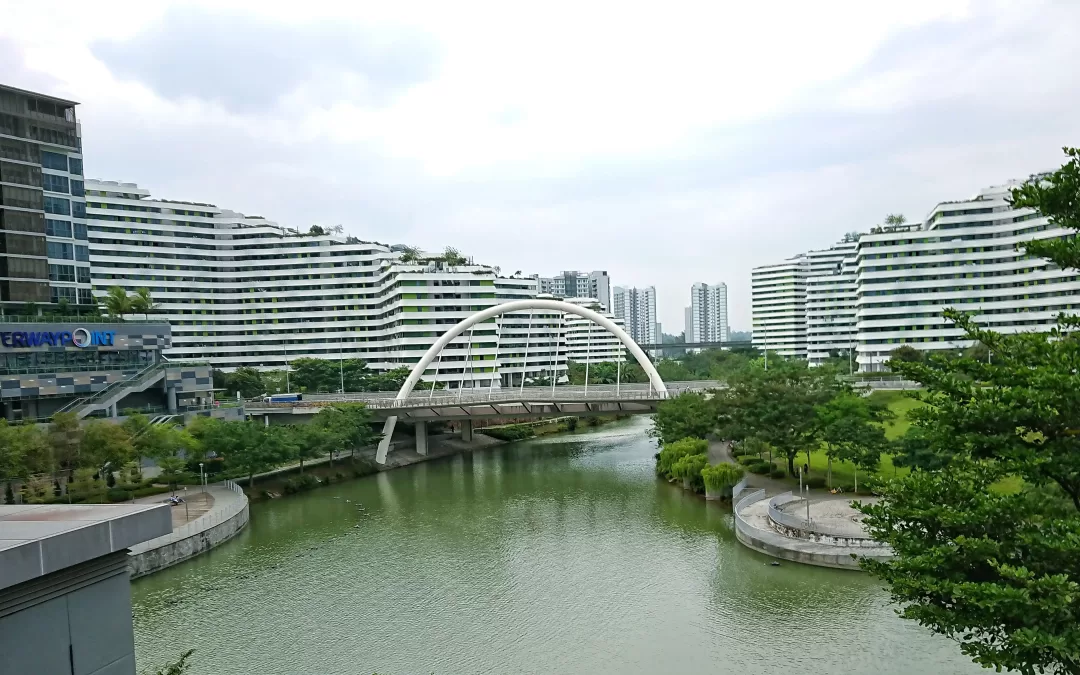
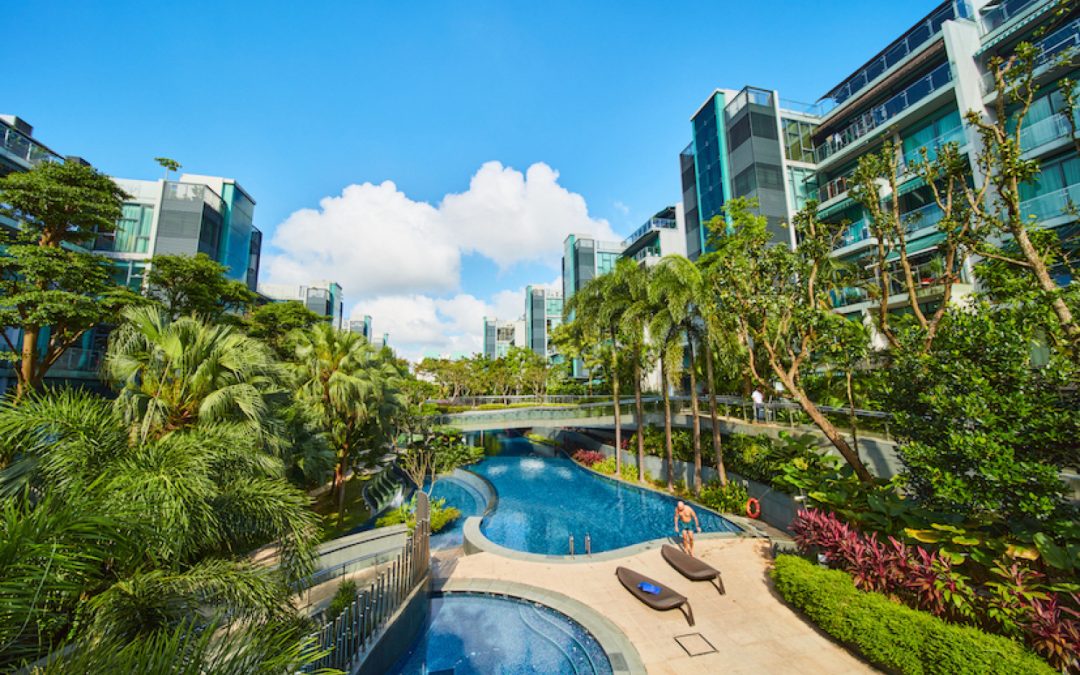
Integrated developments are designed to bring together various facets of urban living into a cohesive whole. These projects typically include residential units, retail spaces, offices, hotels, and recreational facilities, all within close proximity. The goal is to create a live-work-play environment that enhances convenience, reduces commuting time, and fosters a sense of community.
In Singapore, the concept of integrated developments aligns well with the city-state’s vision of efficient land use and sustainable urban growth. The government has been proactive in promoting such developments, seeing them as a solution to the challenges of limited land and increasing population density.
The Popularity of Integrated Developments in Singapore
Convenience and Lifestyle
One of the primary drivers behind the popularity of integrated developments is the convenience they offer. Residents have access to a wide range of amenities at their doorstep, including shopping malls, supermarkets, restaurants, and recreational facilities. This convenience is particularly appealing in a fast-paced city like Singapore, where time is a valuable commodity.
Moreover, the live-work-play concept enhances the quality of life by reducing the need for long commutes. This is especially relevant in Singapore, where the public transport system, while efficient, can still be time-consuming during peak hours. Integrated developments allow residents to live closer to their workplaces and enjoy leisure activities without the hassle of traveling long distances.
Community and Social Interaction
Integrated developments are designed to foster a sense of community. The presence of shared spaces, such as parks, community centers, and recreational facilities, encourages social interaction among residents. This is a significant advantage in a city where high-rise living can sometimes lead to a sense of isolation.
The community-centric design of integrated developments also appeals to families. With schools, childcare centers, and healthcare facilities often included in these projects, they provide a safe and nurturing environment for children. This holistic approach to urban living makes integrated developments an attractive option for families looking for a balanced lifestyle.
Economic Viability
From an economic perspective, integrated developments offer several benefits. For developers, these projects can be more financially viable due to the diversified revenue streams from residential, commercial, and retail components. The integration of various uses within a single project can also lead to cost savings in terms of infrastructure and utilities.
For investors, integrated developments present a promising opportunity. The demand for such properties is driven by their appeal to a broad range of potential buyers and tenants. The convenience, lifestyle benefits, and community aspects make these developments highly attractive, ensuring a steady stream of demand.
Impact on Property Prices
Premium Pricing
Integrated developments tend to command a premium in the property market. The added convenience, lifestyle benefits, and high-quality amenities associated with these projects justify higher prices compared to standalone residential or commercial properties. In Singapore, where space is at a premium, the value of integrated developments is further amplified.
According to data from property analysts, integrated developments in prime locations have seen significant price appreciation over the years. For instance, properties in developments such as Marina Bay Sands, Orchard Gateway, and One Raffles Place have consistently fetched higher prices compared to nearby standalone properties. The premium pricing reflects the perceived value of integrated living and the demand for such developments.
Resilience in Market Downturns
Another notable impact of integrated developments on property prices is their resilience during market downturns. The diversified nature of these projects provides a buffer against economic fluctuations. While standalone residential or commercial properties might experience significant price drops during a downturn, integrated developments tend to be more stable.
This resilience is attributed to the mixed-use nature of these projects. Even if the residential market faces a slowdown, the commercial and retail components can continue to generate revenue, providing financial stability to the development as a whole. This makes integrated developments a safer investment option, particularly in uncertain economic times.
Attraction of Foreign Buyers
Singapore’s integrated developments have also attracted significant interest from foreign buyers. The city’s reputation as a global business hub, combined with the high-quality lifestyle offered by integrated developments, makes these properties appealing to expatriates and international investors. The influx of foreign investment has contributed to the upward pressure on property prices in these developments.
The government’s policies, such as the Global Investor Programme, which offers permanent residency to foreign investors who make substantial investments in Singapore, have further fueled this trend. Integrated developments, with their prime locations and comprehensive amenities, are often the preferred choice for such investors.
Impact on Rental Yields
Higher Rental Demand
The convenience and lifestyle benefits of integrated developments also translate into higher rental demand. Tenants are willing to pay a premium for the accessibility to amenities, proximity to workplaces, and enhanced living environments offered by these developments. This higher demand contributes to stronger rental yields for property owners.
In prime locations, such as the Central Business District (CBD) and Orchard Road, integrated developments have consistently achieved higher rental yields compared to standalone properties. The appeal to both local and expatriate tenants ensures a steady stream of rental income, making these properties a lucrative investment.
Lower Vacancy Rates
Integrated developments tend to experience lower vacancy rates compared to standalone residential or commercial properties. The diverse tenant base, including professionals, families, and businesses, ensures a constant demand for units within these developments. The presence of commercial and retail spaces also adds to the vibrancy of the area, making it an attractive place to live and work.
The lower vacancy rates contribute to higher rental yields and provide property owners with a stable and predictable income stream. This stability is particularly appealing to institutional investors and real estate investment trusts (REITs) looking for reliable returns.
Long-Term Rental Contracts
Another factor contributing to the positive impact on rental yields is the prevalence of long-term rental contracts in integrated developments. The high quality of living and working environments in these projects encourages tenants to commit to longer leases. This is especially true for corporate tenants who prefer the convenience of having their employees live close to their workplaces.
Long-term rental contracts provide property owners with the assurance of sustained rental income and reduce the costs associated with tenant turnover. This long-term stability enhances the overall attractiveness of integrated developments as an investment option.
Case Studies of Prominent Integrated Developments in Singapore
Marina Bay Sands
Marina Bay Sands is one of the most iconic integrated developments in Singapore. Located in the heart of the CBD, this development combines luxury residences, a hotel, a shopping mall, a casino, and an array of entertainment options. The project has become a symbol of Singapore’s modernity and ambition.
The property prices and rental yields at Marina Bay Sands have consistently been among the highest in the city. The development’s prime location, world-class amenities, and iconic status make it a highly sought-after address. The integrated nature of the project ensures a steady flow of visitors and tenants, contributing to its financial success.
Orchard Gateway
Orchard Gateway is another notable example of an integrated development in Singapore. Situated along the famous Orchard Road shopping belt, this development combines residential units, retail spaces, and office towers. The project has revitalized the area, attracting shoppers, tourists, and professionals.
The property prices at Orchard Gateway have seen significant appreciation since its completion. The high foot traffic and vibrant atmosphere contribute to strong rental yields for both residential and commercial units. The development’s strategic location and integrated design make it a prime investment opportunity.
One Raffles Place
One Raffles Place is a mixed-use development located in the CBD, comprising office towers, retail spaces, and residential units. The project is strategically positioned to cater to professionals working in the financial district, offering a seamless blend of work and leisure.
The property prices and rental yields at One Raffles Place have remained robust, driven by the high demand from corporate tenants and expatriates. The development’s comprehensive amenities, coupled with its prime location, ensure a steady stream of rental income for property owners.
Government Policies and Support
Urban Redevelopment Authority (URA) Guidelines
The Urban Redevelopment Authority (URA) plays a crucial role in shaping the landscape of integrated developments in Singapore. The URA’s guidelines and zoning policies are designed to promote the efficient use of land and encourage the development of mixed-use projects.
The URA has identified key areas for integrated developments, such as the CBD, Marina Bay, and Jurong Lake District. These areas are earmarked for high-density, mixed-use developments that can support the city’s growth and enhance its vibrancy. The guidelines ensure that integrated developments are well-planned, sustainable, and aligned with Singapore’s long-term urban vision.
Incentives for Developers
The Singapore government offers various incentives to encourage developers to undertake integrated development projects. These incentives include tax benefits, grants, and streamlined approval processes. The goal is to make it financially attractive for developers to invest in mixed-use projects and contribute to the city’s urban transformation.
One example is the Government Land Sales (GLS) program, which includes sites specifically designated for integrated developments. The program ensures a steady supply of land for such projects and promotes competition among developers to deliver high-quality, innovative designs.
Support for Infrastructure
The success of integrated developments relies heavily on supporting infrastructure. The Singapore government has invested significantly in public transport, roads, and utilities to ensure that these projects are well-connected and accessible. The development of the Thomson-East Coast Line and the Cross Island Line are examples of infrastructure projects that enhance connectivity to integrated developments.
In addition, the government’s focus on smart city initiatives and sustainable urban solutions supports the growth of integrated developments. Projects incorporating green building technologies, smart home features, and sustainable design principles are encouraged and rewarded through various schemes and certifications.
Future Trends and Challenges
Increasing Demand for Integrated Developments
The demand for integrated developments in Singapore is expected to continue rising. The changing demographics, with a growing number of young professionals and expatriates, will drive the need for convenient, high-quality living environments. The trend towards remote work and flexible working arrangements may also increase the appeal of live-work-play environments.
Developers are likely to explore innovative designs and concepts to cater to the evolving preferences of residents and tenants. The integration of technology, wellness features, and sustainable practices will be key trends shaping the future of integrated developments.
Balancing Density and Liveability
One of the challenges associated with integrated developments is balancing density with liveability. As these projects bring together various uses within a confined space, careful planning is required to ensure that the quality of life is not compromised. Adequate green spaces, recreational facilities, and efficient traffic management are essential to creating a harmonious living environment.
The URA’s guidelines and planning framework play a critical role in addressing these challenges. The focus on creating well-designed, human-centric spaces will be crucial to the long-term success of integrated developments.
Managing Market Risks
While integrated developments offer several advantages, they are not immune to market risks. Economic downturns, changes in regulatory policies, and shifts in demand patterns can impact the financial performance of these projects. Developers and investors need to adopt a prudent approach to risk management and diversification.
The government’s support and proactive policies will continue to play a vital role in mitigating these risks and ensuring the stability of the property market. Collaborative efforts between the public and private sectors will be essential to navigating the challenges and seizing the opportunities presented by integrated developments.
Conclusion
The rise of integrated developments in Singapore represents a significant shift in the city-state’s property landscape. These mixed-use projects offer a holistic approach to urban living, combining residential, commercial, and recreational uses in a single development. The convenience, lifestyle benefits, and community-centric design of integrated developments have made them highly popular among residents, investors, and tenants.
The impact of integrated developments on property prices and rental yields has been profound. The premium pricing, resilience during market downturns, and strong rental demand underscore the value of these projects. Case studies of prominent integrated developments, such as Marina Bay Sands, Orchard Gateway, and One Raffles Place, highlight their success and attractiveness as investment opportunities.
Government policies and support have been instrumental in promoting integrated developments and ensuring their alignment with Singapore’s urban vision. The focus on efficient land use, sustainable design, and infrastructure development has created a conducive environment for the growth of mixed-use projects.
As Singapore continues to evolve and adapt to changing urban dynamics, integrated developments will play a pivotal role in shaping the city’s future. The ongoing demand for convenience, quality of life, and community-oriented living will drive the growth of these projects. With careful planning, innovative design, and collaborative efforts, integrated developments will continue to enhance Singapore’s property landscape and contribute to its position as a global city of the future.